

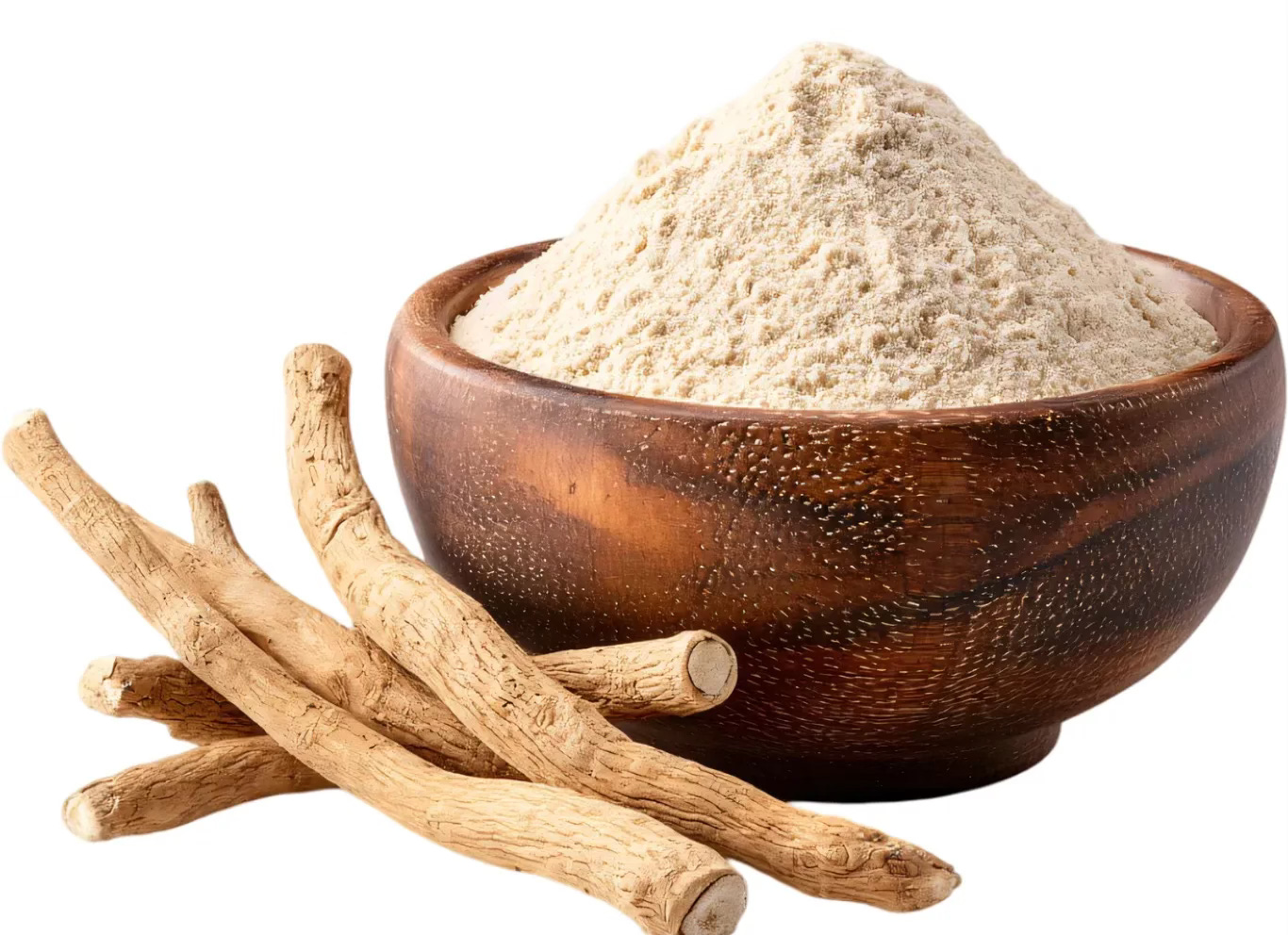
It’s often presented as a gentle, almost harmless herb — a natural anti-stress solution anyone can take without thinking too much.
That narrative is misleading.
Ashwagandha is not a neutral supplement. When poorly sourced, improperly standardized, overdosed, or taken without understanding its physiology, it can be ineffective — or counterproductive. And yet, low-quality ashwagandha products dominate the market: vague formulations, inconsistent potency, contamination risks, and exaggerated claims.
Behind this ancient root lies a powerful botanical, capable of modulating the HPA axis, influencing cortisol, sleep architecture, thyroid signaling, and overall neuroendocrine balance — for better or worse.
This article is for people who prefer understanding before supplementing.