

Reassessing your supplement protocol is a biological necessity — not a whim
I reassess my supplement protocol every single month.
I spend about 4 hours over a weekend doing so. This does not include the time spent reading and analyzing studies throughout the month.
This approach may surprise some people, but it is based on a very simple biological reality:
👉 The human body is not a static system.
Needs evolve depending on:
environmental stressors (toxins, infections, travel, mycotoxins)
inflammatory status
gut permeability
mitochondrial function
autonomic nervous system balance
and the adaptations induced by the supplements themselves
A protocol that made perfect sense three months ago can become useless, excessive, or even counterproductive today.
To those who believe that “eating well is enough,” my answer is twofold:
First, our soils are severely depleted, meaning the foods we eat today are far less nutrient-dense than they once were.
Second, while a perfectly balanced diet allows you to live a normal life, a balanced diet plus intelligent supplementation allows you to live an optimal life.
The physiological reasons behind changes in my protocol
Monthly adjustments are mainly driven by three situations:
1. A therapeutic objective has been reached
Example: Vitamin D and Vitamin A had reached their therapeutic target (full repletion), which makes the maintenance dose I was running now excessive rather than useful. Same underlying logic as the mycotoxin work I’ve written about before, becomes unnecessary once biomarkers return to normal, except this time it’s a nutrient overshoot rather than a toxin clearance.
2. Controlled exploration of new molecules
Example: R-Alpha Lipoic Acid for glycation control, and standalone fisetin, pterostilbene, and rhodiola at real, research-backed doses instead of the token amounts buried inside a proprietary blend. Some emerging supplements show interesting mechanisms of action (mitochondrial, inflammatory, neuro-immune). I choose to test them in a measured, monitored, and controlled framework.
3. Conditions poorly or insufficiently addressed by conventional medicine
Example: a TSH sitting at 3.19 and an HbA1c at 5.8% both read as “within range” on a standard panel. Neither would trigger a conversation with a conventional GP. Both are addressed here. Or situations where I aim to avoid treatments with heavy side effects, when structured alternatives exist.
This protocol is personal, experimental, and monitored
The protocol presented here is strictly my own.
It is:
not a recommendation
not a model to replicate
not medical advice
It is an individual case, based on:
specific medical history
specific symptoms
biomarkers that are regularly tracked
I share it solely because so many of you ask me what I take, why I take it, and how.
Prescription molecules: framework and precautions
This protocol intentionally includes prescription-only molecules, known for their powerful systemic effects.
Example: colchicine
It is used here to modulate chronic inflammation, notably via inhibition of the NLRP3 inflammasome pathway, which is now well documented in inflammatory, metabolic, and neurodegenerative conditions.
👉 But colchicine is not benign:
it can impact pancreatic function
it requires regular lipase monitoring
In my case:
a moderate elevation in lipase led to an initial 75% dose reduction
that reduction was accompanied by a rebound in inflammatory markers
a subsequent adjustment to 50% of the dose was then implemented
This is exactly how any serious approach should work: observe → measure → adjust → reassess
Formulation logic: absorption and digestive load
One often overlooked aspect: the form of supplements.
Whenever possible, I favor:
powders
liquid forms
transdermal forms
Objectives:
reduce digestive burden
improve bioavailability
avoid excessive capsule ingestion (currently ~80–100/day)
“What about your liver? Your kidneys?” — a biological answer, not an emotional one
This question comes up often, sometimes sarcastically, often from people sipping cocktails or enjoying processed foods.
My answer is simple:
👉 I measure.
Liver function
Kidney function
Inflammatory markers
Everything is tracked and documented.
And most importantly: I publish the results, unfiltered, no storytelling, no spin.
Supplement quality: a central issue
The scientific literature is clear:
👉 Supplement quality varies enormously.
That is why:
I detail my choices on valbiohacker
I am using as much as I can my own products, though my line is very short, on ZellNova.com (made in the USA, no fillers, clean)

Few products, but:
verified manufacturing chains
maximum traceability
coherence with a serious biohacking approach
October protocol: intentionally restricted access
The detailed protocol (timing, dosages, combinations, prescription molecules) is placed behind a paywall.
Not out of elitism. But to avoid:
superficial reading
misuse
and, above all, dangerous misinterpretations
👉 Only those truly committed to understanding can access it.
In this protocol, you will not see the BioBloom NADH patches I use twice per week. Nor will you see the peptides I use under fairly complex protocols.
Follow the links to access the exclusive discounts I negotiated for you.
Those require a dedicated article. If peptides interest you, head to the PEPTIDES section on valbiohacker.com
Why this protocol is heavily modified this month
My last full recheck came from the YEARS clinic in Berlin, and it surfaced three things I wasn’t watching closely enough.
My Vitamin D had climbed to 81 ng/ml, well past the optimal 30 to 50 range, on a dose I’d stopped reassessing. However, though 80 is out of the range it is considered by biohackers as optimal.
My retinol was sitting just above reference too, same story.
My HbA1c came back at 5.8% (a surprise since 3 months prior it was at 5.2%), technically into the prediabetic range, despite completely normal fasting insulin and HOMA-IR, which means it’s a glycation signal, not insulin resistance, and nothing in my stack was built to catch that distinction.
My TSH was gray-zone at 3.19 with free T3 sitting low-normal. And my ionized calcium came back below range while I currently have zero supplemental calcium in the protocol, a deliberate choice I made months ago because of an active biofilm concern, but one that now needs a real conversation with my physician rather than staying on autopilot.
On top of the lab-driven changes, I finally sat down and broke apart NOVOS Core, a sachet I’d been taking daily without questioning what was actually in it or at what dose. Some of it I was already covering elsewhere at real doses. So I dropped the sachet and made an ingredient-by-ingredient call on each component instead of letting a proprietary blend decide for me.
I’m also reintroducing binder rotation at 6:30am. I’d reduced everything down to charcoal-only for a while, which was right for that phase. But running one binder daily, indefinitely, has its own cost: binders aren’t selective, and continuous single-binder use quietly depletes minerals you actually want to keep. So it’s now a rotation across three binders, five days on, two off, rather than the same one every single morning.
Biofilm disruptors stay off this round. Still waiting on a fresh GI-MAP before reintroducing those.
Here is my updated list, morning only (6:30am to 10am). Midday and evening are coming in separate posts.

Supplement quality: a central issue
The scientific literature is clear:
👉 Supplement quality varies enormously.
That is why:
I detail my choices on valbiohacker
I am using as much as I can my own products though my line is very short on ZellNova.com (made in the USA, no fillers, clean).
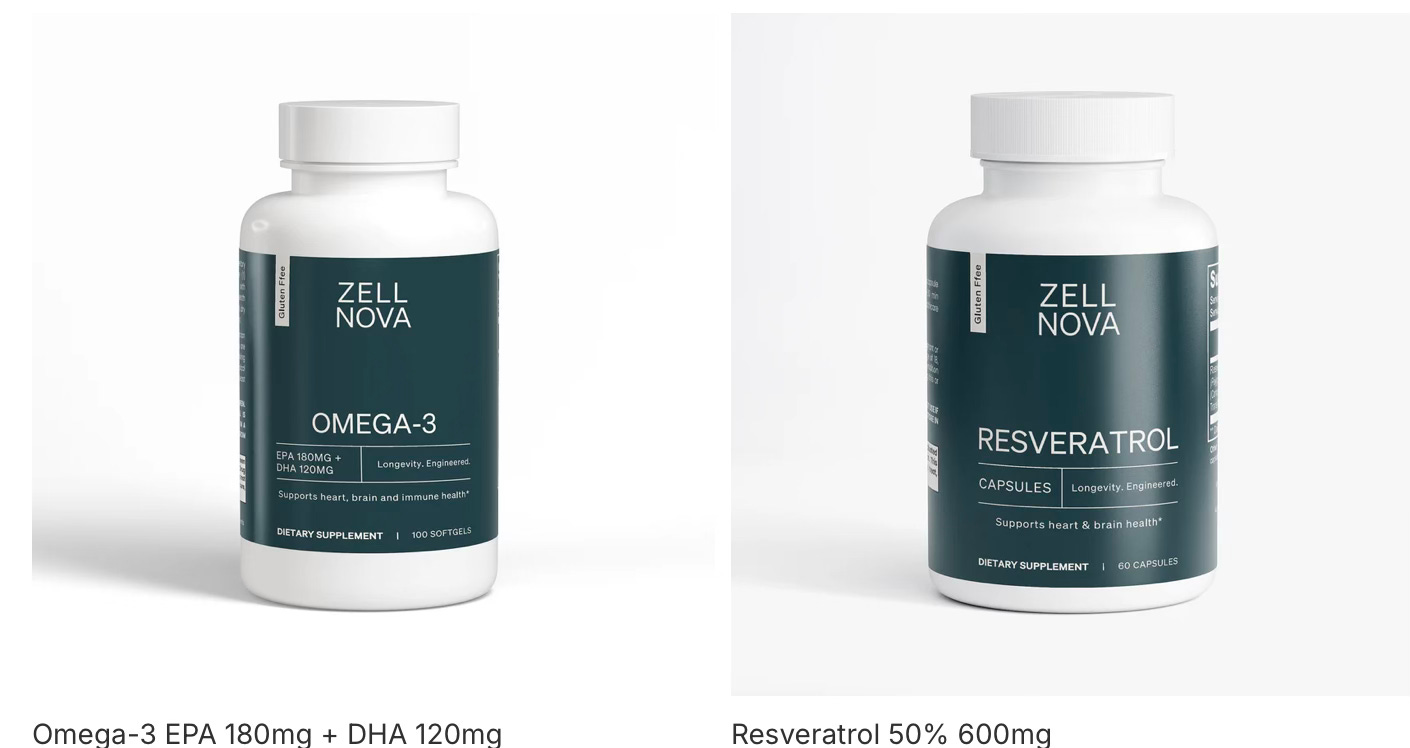
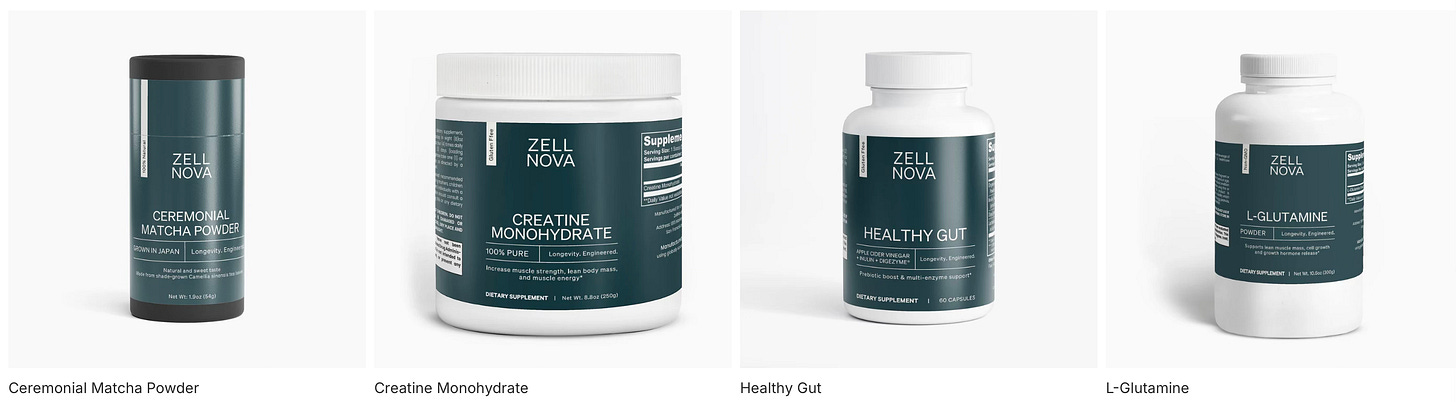


Few products, but:
verified manufacturing chains
maximum traceability
coherence with a serious biohacking approach
October MORNING stack: intentionally restricted access
The detailed protocol (timing, dosages, combinations, prescription molecules) is placed behind a paywall.
Not out of elitism.
But to avoid:
superficial reading
misuse
and, above all, dangerous misinterpretations
👉 Only those truly committed to understanding can access it.
In this protocol, you will not see the BioBloom NADH patches I use twice per week.
Nor will you see the SomaPeptides peptides I use under fairly complex protocols.
Follow the links to access the exclusive discounts I negotiated for you.
Those require a dedicated article.
If peptides interest you, head to the PEPTIDES section on valbiohacker.com