


By Valérie Orsoni — Biohacker & Longevity Expert
Valérie Orsoni is a biohacker, author of 56 books, and founder of biohacker.fr. She has been tracking her biology through N=1 self-experimentation protocols since 1998. She is currently enrolled in Stanford Medicine’s longevity research certification program.
Week of June 1st, 2026 — ValBiohacker.com
🧬 Science — A Naked Mole-Rat Gene Extends Mouse Lifespan by 4.4%
We can’t choose our species. But perhaps we can borrow some of its secrets.
The naked mole-rat (okay, let’s be honest—it isn’t exactly beautiful 😊) is one of nature’s greatest oddities. This wrinkled, nearly blind rodent can live up to 41 years—roughly ten times longer than mice of similar size. It almost never develops cancer. It appears remarkably resistant to chronic inflammation. Scientists have studied it for decades, trying to understand why its biology seems to play by entirely different rules.
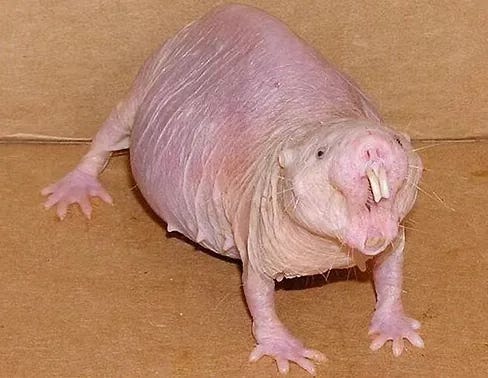
This week, researchers at the University of Rochester took a major step forward: they successfully transferred a longevity gene from naked mole-rats into ordinary mice—and the mice lived longer, healthier lives.
The Mechanism: High-Molecular-Weight Hyaluronic Acid
The gene is responsible for producing high-molecular-weight hyaluronic acid (HMW-HA).
You’re probably familiar with hyaluronic acid as the superstar ingredient in anti-aging skincare products. But what naked mole-rats produce is entirely different: it is roughly ten times more concentrated and significantly larger at the molecular level.
This molecule appears to act as a cellular shield:
→ Protects cells against cancer-causing mutations
→ Reduces chronic inflammation—the silent fuel of aging
→ Supports gut microbiome integrity

Results in the Modified Mice
→ +4.4% increase in median lifespan (+12.2% increase in maximum lifespan)
→ 34% lower cancer incidence in older mice
→ Healthier intestines, reduced systemic inflammation, and significantly lower frailty scores
“Our study demonstrates that it is possible to transfer a longevity mechanism from one species to another. Our next goal is to transfer it to humans.”
— Vera Gorbunova, Professor of Biology and Medicine, University of Rochester
What This Changes (and What It Doesn’t Yet)
Let’s be clear: we’re not on the verge of an HMW-HA longevity pill (unfortunately!).
These findings involve mice genetically modified from birth. Translating this approach to humans will require years of research and clinical trials.
What makes this study exciting is the proof of concept: species-specific longevity mechanisms may be transferable. This opens an entirely new branch of aging biology.
My N=1 Take
The standard hyaluronic acid found in supplements and cosmetics is NOT the same as the HMW-HA produced by naked mole-rats.
Don’t confuse the two.
What’s actionable today? Reducing chronic inflammation through nutrition, sleep, and movement. That’s the closest thing to an HMW-HA protocol available in 2026.
Original publication: Nature (2023), confirmed and highlighted by ScienceDaily (May 2026)
🔬 Paradigm Shift — Aging Isn’t a Defect. It’s a Loss of Coordination.
For decades, aging research searched for the molecule, gene, or mechanism that “causes” aging.
The assumption was simple: find the enemy and defeat it.
In April 2026, the 2nd World Congress on Targeting Longevity in Berlin asked a radically different question:
What if aging isn’t a breakdown—but a loss of orchestration?
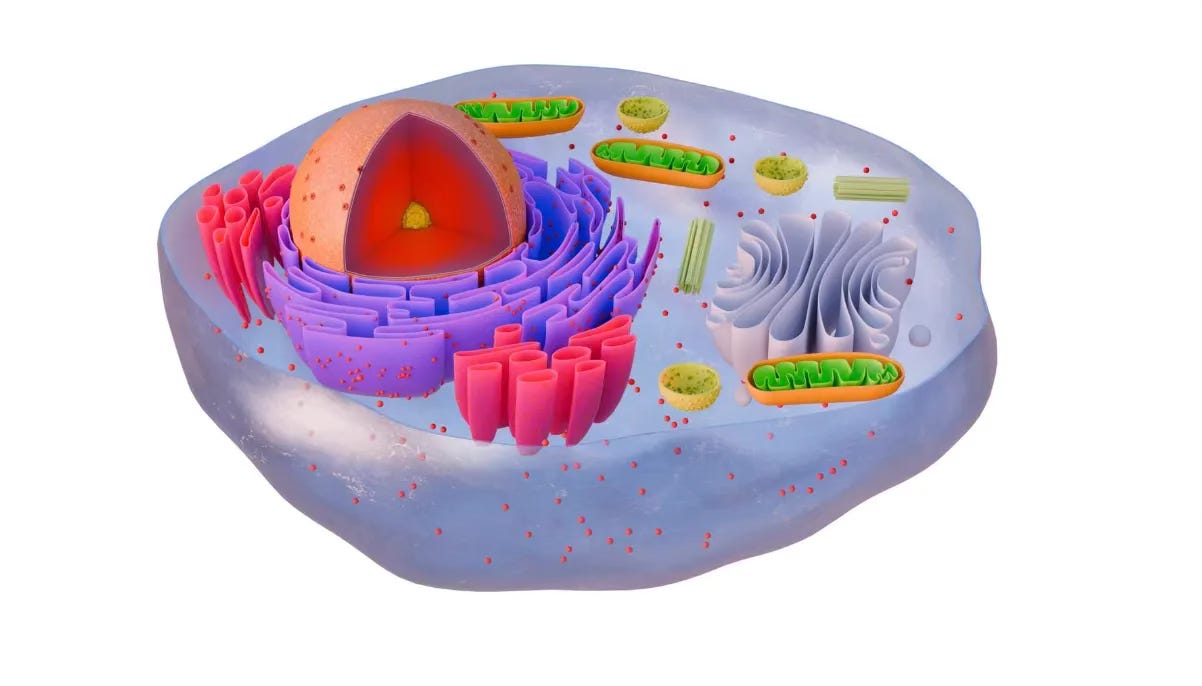
Researchers working on mitochondria, microbiome science, systems biology, cellular senescence, and comparative genomics gathered around a new conceptual framework:
Aging as the progressive loss of coordination between biological systems.

What Changes in Practice?
Instead of trying to repair one organ or block one molecule, this new approach focuses on the communication between systems:
→ Mitochondrial signaling that regulates inflammation
→ The gut-brain axis that shapes aging trajectories
→ Metabolic environments that drive tissue repair and regeneration
The keyword repeated throughout the conference:
Long-term biological resilience — the ability of living systems to maintain coordination over time.
“Aging behaves more like a loss of coordination among systems than as an isolated defect. Understanding this dialogue may be more important than targeting individual pathways.”
— Marvin Edeas, Founder of the World Mitochondria Society
Why This Matters for You
This paradigm shift helps explain why so many “miracle solutions”—a single supplement, a single therapy, a single intervention—often produce modest results in clinical trials.
Aging is systemic.
The response must be systemic as well.
This reinforces what I’ve been saying for years:
Effective biohacking is not about pulling one lever.
It’s about optimizing the entire ecosystem:
→ Sleep
→ Nutrition
→ Movement
→ Microbiome health
→ Stress management
→ Social connection
Source: EurekAlert / World Mitochondria Society, April 2026
☀️ Summer Alert — TikTok, Tanning, and Skin Cancer: The Silent Trap
Summer is approaching.
And with it comes a viral trend that has dermatologists genuinely concerned.
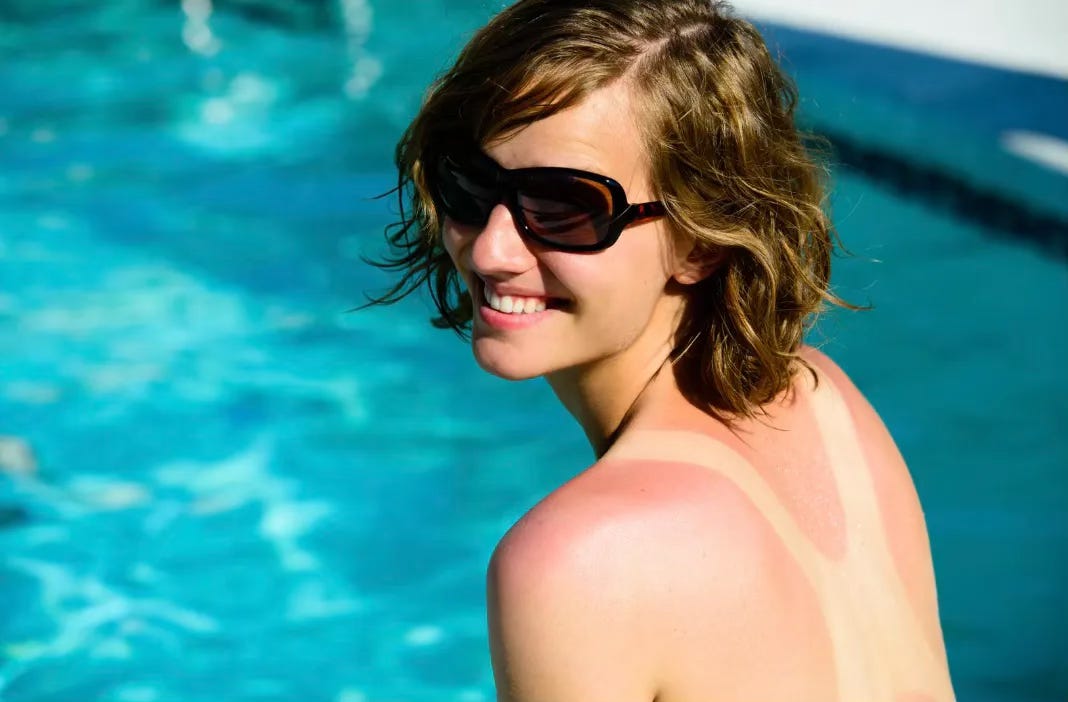
On TikTok, “burn lines” and “sun tattoos” are exploding in popularity. Young people deliberately expose themselves to the sun for hours without protection to create sharp tan lines and temporary “tattoo-like” patterns on their skin.
The visual effect may be trendy.
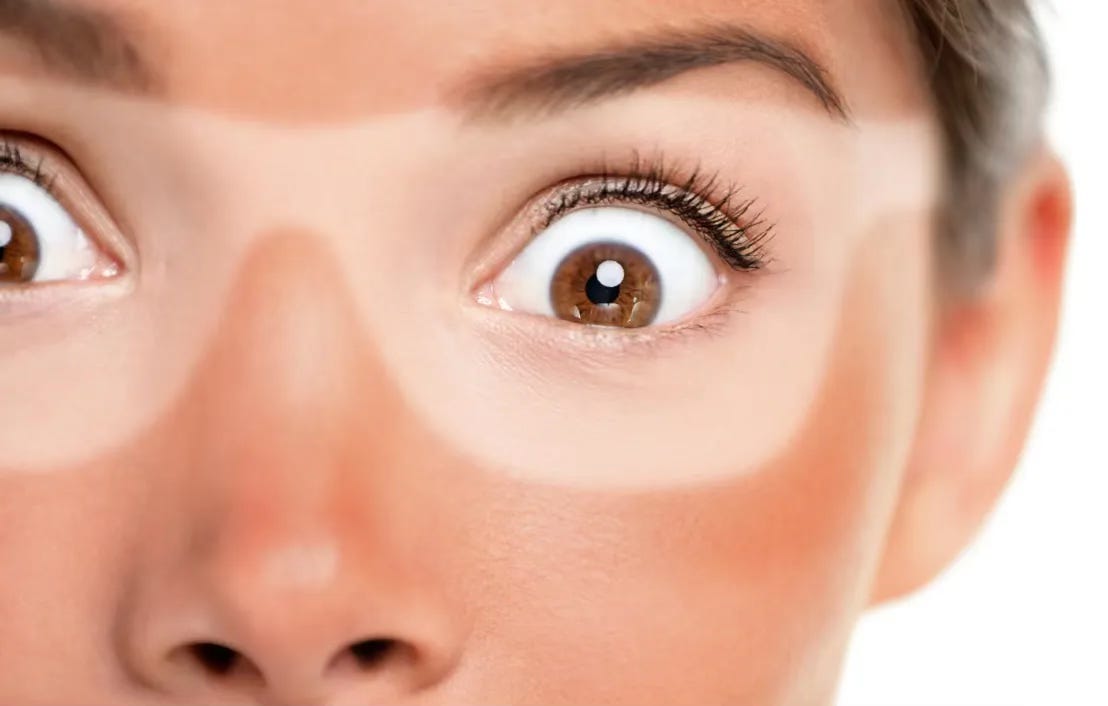
The damage is permanent.
“These tan lines are a form of burn. They leave scars—sometimes invisible—but they damage the skin’s DNA.” — Le Parisien
The Numbers Instagram Filters Don’t Show
→ More than 5.4 million skin cancers are diagnosed every year in the United States
→ About 90% of non-melanoma skin cancers are associated with UV exposure
→ Melanoma rates among young adults have risen significantly over the past several decades
→ Nearly 8,000 Americans die from melanoma each year
The Bigger Problem
A survey conducted by the American Academy of Dermatology found that 59% of Gen Z respondents still believe that:
→ “A tan is healthy”
or
→ “A base tan prevents sunburn”
These myths continue to spread widely through social media.
The Biohacker Truth About Sun Exposure
I am not anti-sun.
Properly dosed sunlight is one of the most powerful health tools available.

Benefits include:
→ Vitamin D production, essential for immunity, bone health, and cancer prevention
→ Nitric oxide release, supporting cardiovascular health
→ Serotonin production, influencing mood, motivation, and energy
→ Melatonin regulation through circadian rhythm calibration
But all of these benefits occur within approximately 5–20 minutes of exposure, depending on your skin type—not through burning.
A sunburn is not healthy sun exposure.
A sunburn is tissue damage.
My Summer N=1 Protocol
→ Morning sunlight exposure (before 11 a.m.): 10–20 minutes without sunscreen, followed by protection
→ SPF 50 daily whenever exposure exceeds 20 minutes—even on cloudy days
→ No intentional tanning: tanned skin is skin that has experienced DNA damage
→ Annual dermatologist screening, especially if you have numerous or atypical moles
⚠️ If you have children or teenagers spending time on TikTok, this may be one of the most important conversations you’ll have this summer.
A severe sunburn before age 18 approximately doubles the risk of melanoma later in life.
Sources: French National Cancer Institute (INCa), Santé Publique France, Skin Cancer Foundation (May 2025), American Cancer Foundation
Stay curious. Science is moving fast — and so is the fight against aging.
Let’s keep going! Forza!
Valérie Orsoni
Biohacker since 1998 | Longevity Expert
Instagram : Valerie Orsoni
My fave brands + super promo codes here ==> ValerieOrsoni.com
My made-in-the-usa, clean, no fillers supplement line ==> ZellNova
🎙 Life Summit— Berlin (29-30 mai 2026)
🎙 Corsica Biohacking — Corsica (6-13 juin 2026)
🎙 Biohackers World Conference — New York (juin 2026)
🎙 RAADFest— Sedona (4-6 septembre 2026)
🎙 HealthSpan Summit — Los Angeles (2–4 oct. 2026)
🎙 Reclaiming Health & Longevity Symposium — El Salvador (8–9 nov. 2026)