


Week of May 8, 2026 — ValBiohacker.com
💉 Breaking News — Russia Launches an “Anti-Aging Vaccine”: Reality or Propaganda?

Vladimir Putin, 73, is obsessed with longevity. No secret there. He’s been credited with deer antler baths, a spartan diet, and hours of daily swimming. But this week, he crossed a new line: ordering the creation of “the world’s first anti-aging gene therapy drug” — backed by a staggering budget of more than 2 trillion rubles — roughly $26.4 billion.
“What just a few years ago seemed like an incredible future is now becoming reality.” — Tatiana Golikova, Russian Deputy Prime Minister
How Does It Work?
The project targets the RAGE receptor (Receptor for Advanced Glycation End Products) — a well-documented cellular mechanism linked to biological aging. Denis Sekirinsky, Russia’s Deputy Minister of Science, explained it plainly at a conference in Saransk:
“The RAGE gene is a receptor whose activation triggers cellular aging. Blocking it, on the contrary, can extend the cell’s youth.”
The project is led by the Institute of Aging Biology and Medicine, under the national program “New Technologies for Health Preservation,” launched in 2025 at Putin’s direct instruction. Expected production: between 2028 and 2030.
My Biohacker Take 🔍
Let’s be clear. What’s being called a “vaccine” here is actually experimental gene therapy. No human trials have been conducted yet. RAGE receptor research is real and scientifically serious — but going from animal models to a ready-to-use drug is a long road full of obstacles.
What IS real, however:
→ The geopolitical motive: average life expectancy for Russian men is 67 years (vs. 76.5 in the US). This is a national demographic crisis.
→ The personal obsession: sources close to the Kremlin describe this as the “fixation” of Mikhail Kovalchuk, Putin’s longtime ally at the Kurchatov Institute, “who dreams of eternal life and the ‘Russian genome.’”
→ The global competition: Russia is watching U.S. advances in regenerative medicine closely and wants a seat at the table.
Will this vaccine ever exist? Maybe. Will it be a game-changer by 2030? Highly unlikely. But it highlights something essential: the longevity race is now a matter of national policy.
📱 Health Tech — Google Buries Fitbit. Welcome to the Google Health Era.
It’s official as of May 7, 2026: Google launched the Fitbit Air — and along with it, completed the full merger between the Fitbit ecosystem and the Google brand. The Fitbit app becomes Google Health. Fitbit Premium becomes Google Health Premium. And the tracker itself has… no screen.
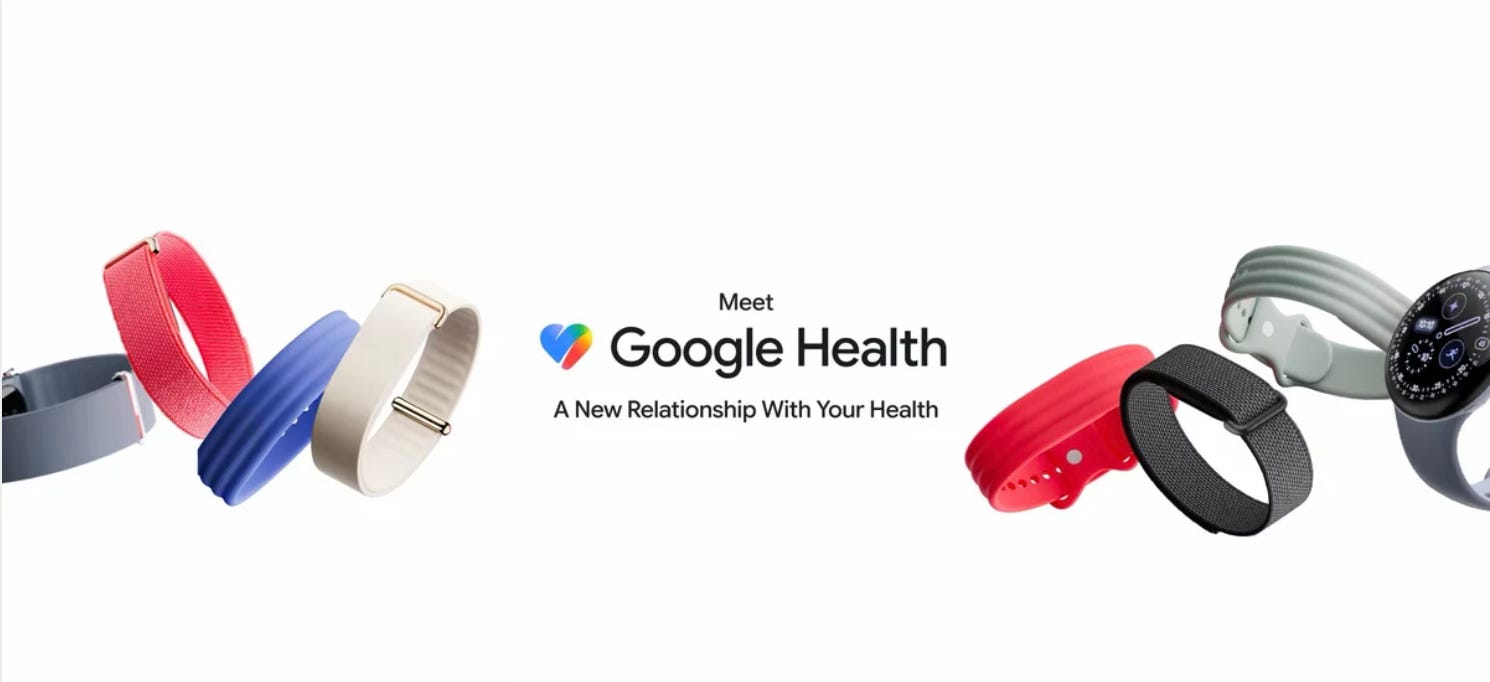
Fitbit Air: The Tracker That Nearly Disappears
The Fitbit Air looks like nothing Fitbit has made before. No screen. No buttons. A small 5.2-gram plastic pebble that snaps into a band and fades into the background. Everything lives in the app.
What it tracks:
→ 24/7 heart rate
→ Blood oxygen (SpO2)
→ Skin temperature
→ Sleep (stages and duration)
→ Heart rhythm + AFib alerts
→ Activity, calories, steps
Key specs:
→ $99.99 (ships May 26)
→ 7-day battery, full charge in 90 minutes, 5 minutes = 1 full day of use
→ 12 grams with band attached
Google Health Coach: Gemini AI Enters Your Health Stack
The most important part of this launch isn’t the hardware — it’s the software. The Google Health Coach, powered by Gemini, reads your Readiness score, sleep data, and workout load to give you plain-language daily guidance: “Push hard today” or “Your body needs recovery.” It builds adaptive fitness plans and responds conversationally to follow-up questions.
Subscription pricing: → Google Health Premium: $9.99/month or $99.99/year → Included in Google One AI Pro and Ultra plans
What This Means for You
If you’re already a Fitbit user, the transition is automatic. Your data history is preserved. The interface changes, AI is added.
If you’re choosing between Fitbit Air and WHOOP: WHOOP has longer battery life, faster data sampling (26x per second), and a more clinically established recovery scoring system. But WHOOP requires a monthly subscription — Fitbit Air gives you core tracking features with no mandatory subscription.
My take: if you want a discreet, affordable tracker with built-in AI coaching — Fitbit Air is a serious option. If you’re a serious athlete and recovery is your obsession — WHOOP still has an edge. So I am keeping my WHOOP!
🦠 Health Brief — Hantavirus: What Is It, and Should You Really Be Worried?
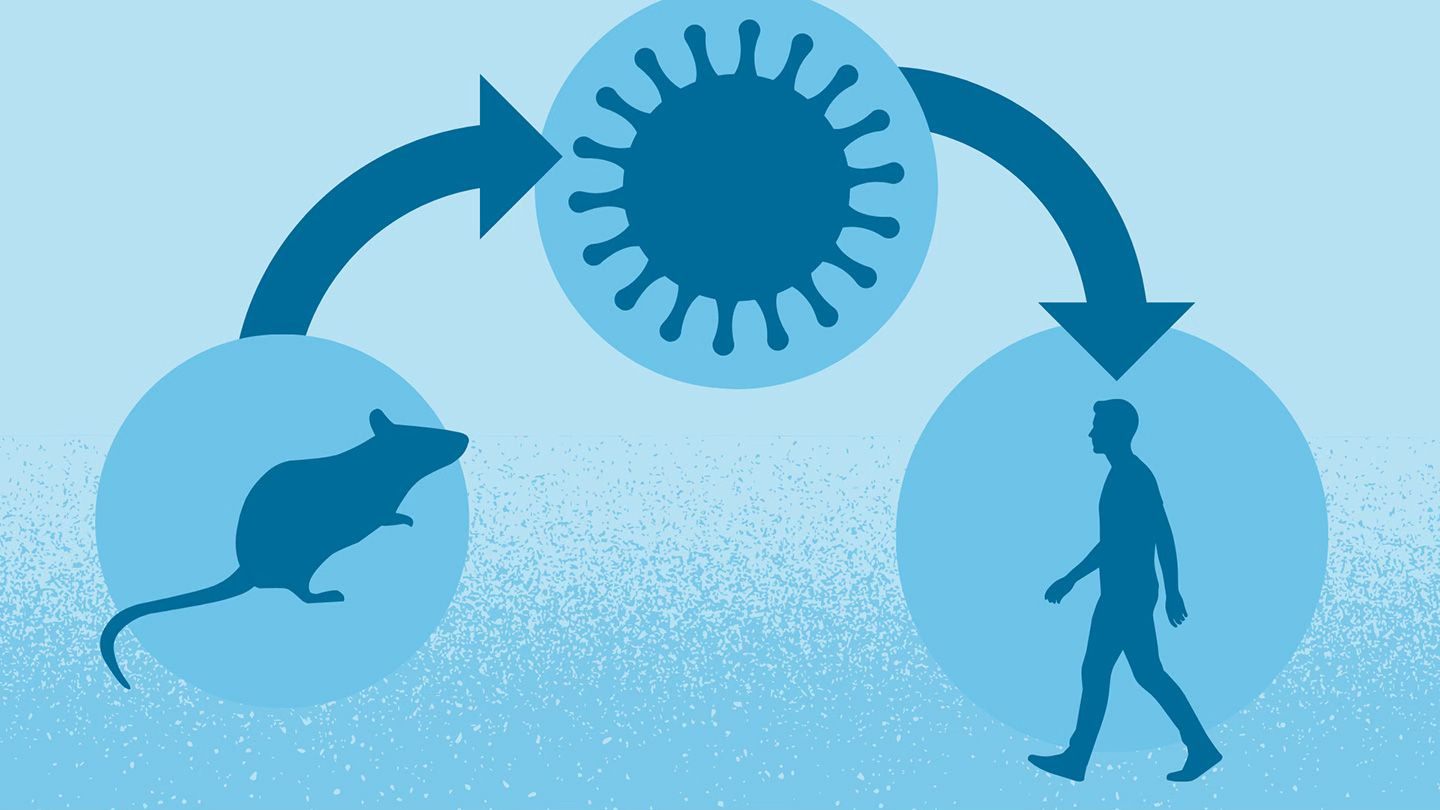
Over the past few days, “hantavirus” has been flooding the news. The cruise ship MV Hondius, traveling from Argentina to Cape Verde with 147 passengers and crew, was placed in isolation after several confirmed cases on board — three deaths, two lab-confirmed cases, five suspected.
Before panicking, here’s what the science actually says.
What Is Hantavirus?
Hantavirus belongs to the Hantaviridae family. It circulates primarily among wild rodents — voles, deer mice, rice rats — in whom it causes no symptoms. First identified during the Korean War in the 1950s, it was classified by the WHO in 1987.
How is it transmitted? → By inhaling dust contaminated with infected rodent urine, droppings, or saliva → By direct contact with those materials (broken skin, eyes, mucous membranes) → NOT through human-to-human respiratory transmission — except for one specific strain, the Andes virus, endemic to South America
Symptoms: Initial phase (3–5 days): fever, intense fatigue, muscle aches, headaches — flu-like. Can progress to severe pulmonary (HCPS) or kidney involvement.
There is no specific antiviral treatment. Care is supportive.
Should You Be Worried?
The WHO has clearly stated that the risk of spread outside the ship is low. Here’s why:
→ Human-to-human transmission is extremely rare — only the Andes strain has documented person-to-person spread. All other strains have none. → Hantavirus is not a new virus — it has circulated for decades and remains rare. → It is not COVID — no widespread airborne transmission, no community chain spread.
In the US and Europe, hantavirus cases are sporadic and mostly linked to rural exposure to rodents.
What You Can Do
→ If you live rurally or have a basement, attic, or storage space: never dry-sweep areas potentially contaminated by rodents. Dampen the area first before cleaning.
→ Wear an FFP2/N95 mask when cleaning infested spaces
→ Use waterproof gloves when handling any suspicious debris
→ See a doctor promptly if you develop fever and flu-like symptoms after potential rodent exposure
Bottom line: The MV Hondius situation is serious and still under investigation. But at this stage, there is no reason to talk about an epidemic or pandemic potential. Stay informed, stay calm.
🧬 Good News Science — Vitamin B12: Far More Than a Vitamin — A Key to Healthy Aging
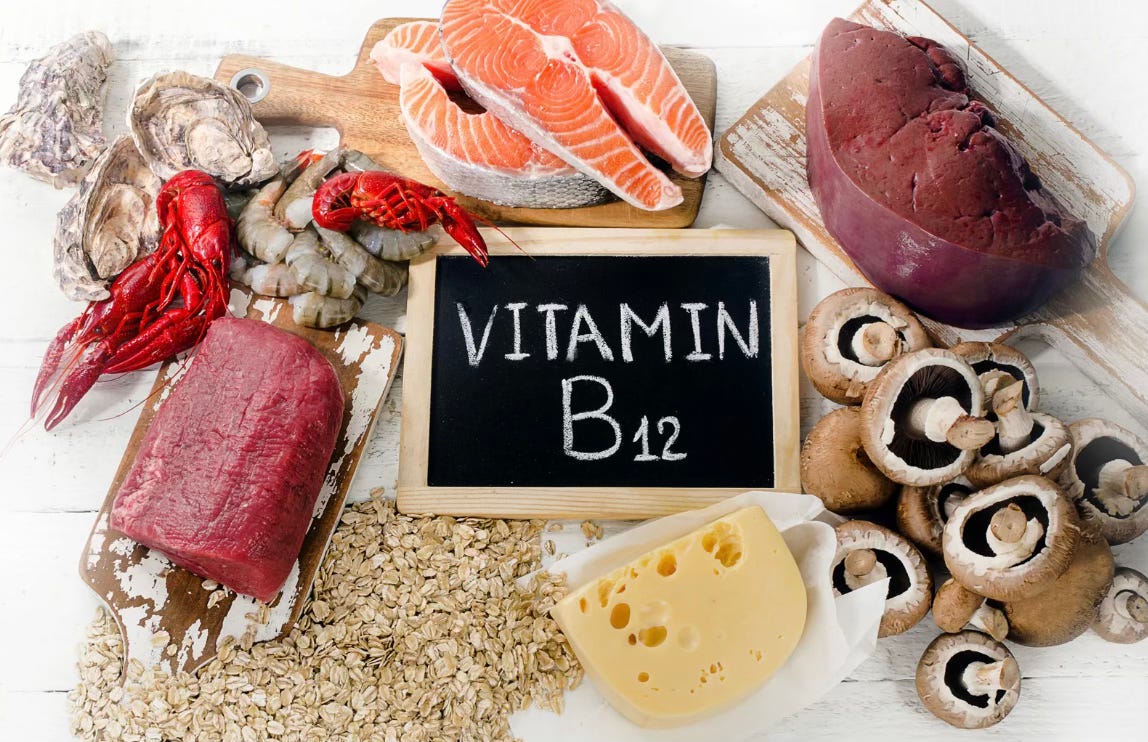
We knew vitamin B12 for its role in red blood cell formation and nerve health. But a new study from Cornell University, published in the Journal of Nutrition, suggests its influence goes much deeper.
“This is the first study that shows B12 deficiency affects skeletal muscle mitochondrial energy production.” — Dr. Martha Field, PhD, Cornell University
What the Study Found
Dr. Martha Field’s team used mouse models and cell cultures to observe what actually happens inside the body when B12 levels drop. The results:
→ Weaker muscles and lower muscle mass in aged mice deficient in B12
→ Impaired mitochondrial energy production in muscle cells — our cellular powerhouses underperform
→ B12 supplementation
→ measurable improvement in muscle function → Identification of early biomarkers that can detect nutritional stress long before classic deficiency symptoms appear
Why This Matters for You
Sarcopenia — the age-related loss of muscle mass and strength — is one of the leading causes of lost independence in older adults. Until now, exercise was essentially the only proven intervention to slow it. This study opens a concrete, accessible nutritional pathway.
Worth noting: up to 20% of the population may be B12-deficient, with even higher rates among older adults, vegetarians, vegans, and people on certain medications (notably metformin).
Dietary sources of B12:
→ Meat and organ meats (liver tops the list)
→ Fatty fish, shellfish
→ Eggs, dairy
→ Fortified foods (some nutritional yeasts, plant milks)
Supplementation: Methylcobalamin or adenosylcobalamin forms are better absorbed than standard cyanocobalamin.
My N=1 recommendation: if you’re over 50, eat little or no meat, or take metformin — get your serum B12 tested. It’s a simple, inexpensive blood test, and the implications for your muscle vitality and longevity could be significant.
Let’s keep going! Forza!
Valérie Orsoni
Biohacker since 1998 | Longevity Expert
Instagram : @valerieorsoni
My fave brands + super promo codes here ==> ValerieOrsoni.com
My made-in-the-usa, clean, no fillers supplement line ==> ZellNova
🎙 Life Summit— Berlin (29-30 mai 2026)
🎙 Corsica Biohacking — Corsica (6-13 juin 2026)
🎙 Biohackers World Conference — New York (juin 2026)
🎙 RAADFest— Sedona (4-6 septembre 2026)
🎙 HealthSpan Summit — Los Angeles (2–4 oct. 2026)
🎙 Reclaiming Health & Longevity Symposium — El Salvador (8–9 nov. 2026)